PMRTC Welcomes a Delegation of Ambassadors for a Visit to Its Research Laboratories
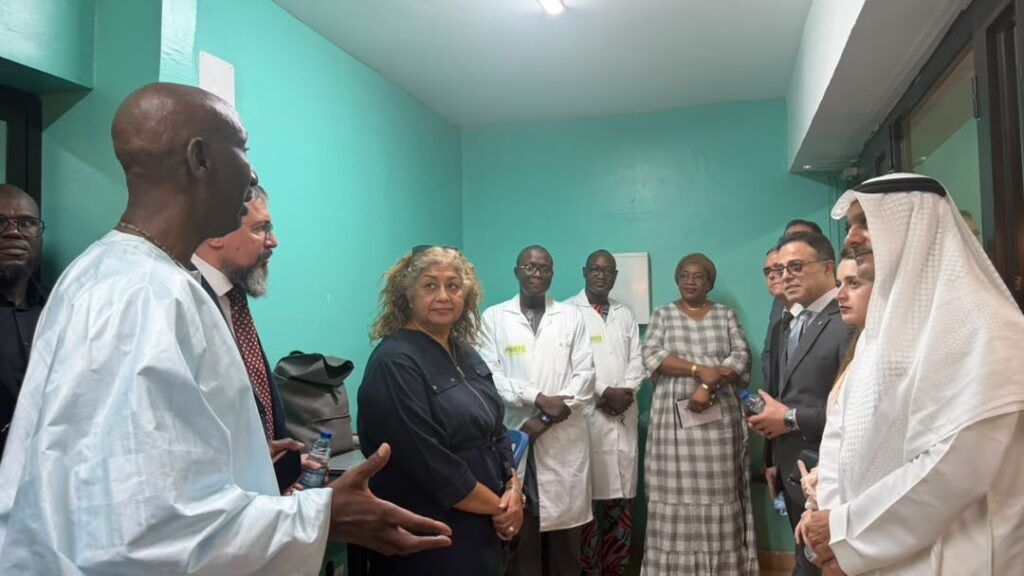
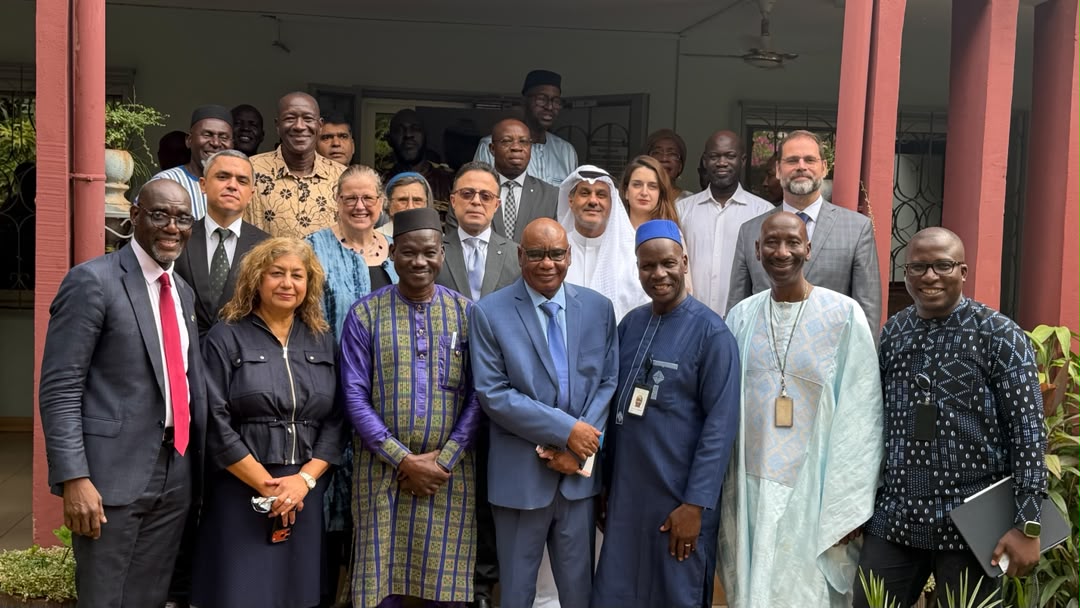
On Thursday, June 11, 2026, the Malaria Research and Training Center (PMRTC) had the honor of welcoming a distinguished diplomatic delegation composed of the Ambassadors of the United States, France, Italy, Tunisia, Egypt, Saudi Arabia, Germany, Canada, the Netherlands, and Türkiye.
The visit took place in the presence of the Rector of the University of Sciences, Techniques and Technologies of Bamako (USTTB), the representative of the National Institutes of Health (NIH) in Mali, the Director of PMRTC, the Director of IDMRETC, as well as several researchers and faculty members.
An Immersion into Malian Scientific Research
The visit began with a presentation of the USTTB campus and its major research facilities by the Rector of the University. This introduction provided the diplomats with an overview of USTTB’s central role in education, scientific research, and innovation in Mali.
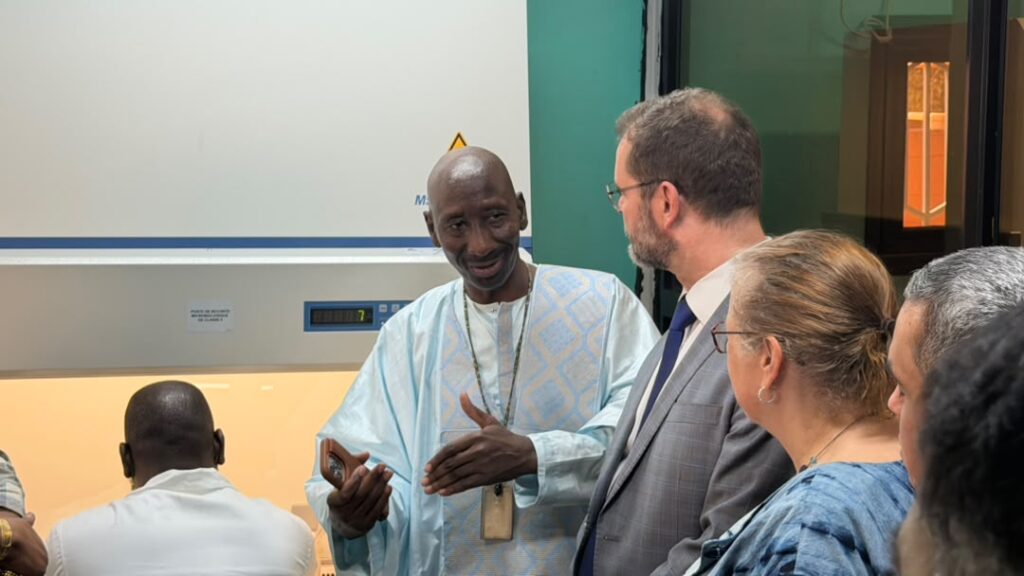
The ambassadors then toured several PMRTC laboratories to gain a better understanding of the research activities conducted in the fields of infectious diseases, genomics, and drug discovery.
PMRTC: A Model for Capacity Building and Talent Retention
In his remarks, Professor Abdoulaye Djimdé, Director of PMRTC, highlighted the importance of human capacity strengthening in advancing scientific research in Mali.
He noted that more than thirty researchers have earned bachelor’s and master’s degrees through international training opportunities, primarily in the United States. The vast majority of these graduates returned to Mali to contribute to research and higher education, demonstrating the success of investments made in developing the next generation of scientists.
Discovering New Medicines: The Work of Professor Laurent Dembélé’s Unit
The ambassadors also visited the research unit led by Professor Laurent Dembélé, which specializes in the discovery of new therapeutic compounds.
PMRTC comprises twelve research units, including one dedicated to identifying new drug candidates. The team’s work focuses on medicinal chemistry and the study of local medicinal plants.
“We expose parasites to various chemical compounds and plant extracts to identify those capable of eliminating them. The most promising candidates are then further evaluated as potential treatments for a range of diseases,” explained Professor Laurent Dembélé.
Genomics in Support of Disease Surveillance
The delegation also visited the Molecular and Genomic Surveillance Unit, presented by Professor Aminatou Koné.
This unit conducts advanced DNA and RNA analyses to monitor the emergence of infectious diseases and the development of treatment resistance in Mali.
According to Professor Aminatou Koné:
“One of our key areas of work is the national surveillance of malaria parasite resistance to antimalarial drugs. To achieve this, we use state-of-the-art sequencing technologies and molecular biology tools.”
The unit is also actively involved in antimicrobial resistance surveillance, which is now recognized as one of the most pressing global public health challenges.
Visitors learned about the laboratory’s significant contribution to the fight against COVID-19. It was within this facility that the first SARS-CoV-2 genome was sequenced in Mali, providing critical insights into the circulation of the virus and helping guide national surveillance strategies.
Productive Discussions with the Scientific Community
The various presentations generated strong interest among the ambassadors and led to fruitful discussions with researchers on scientific innovation, research priorities, and capacity strengthening in Africa.
At the conclusion of the visit, the United States Ambassador expressed her appreciation and admiration for the work being carried out at PMRTC. She particularly praised the center’s international environment and the widespread use of English in its scientific and research activities.
Strengthening Partnerships for the Future
This visit reflects the growing interest of the diplomatic community in Mali’s scientific achievements and highlights the strategic role PMRTC plays in infectious disease research, genomics, and the training of the next generation of African scientists.
PMRTC warmly thanks all the ambassadors for their visit and for their continued interest in supporting scientific research and innovation in Mali.